


Last week, a story started circulating that felt like a big shift is coming in how companies think about data.
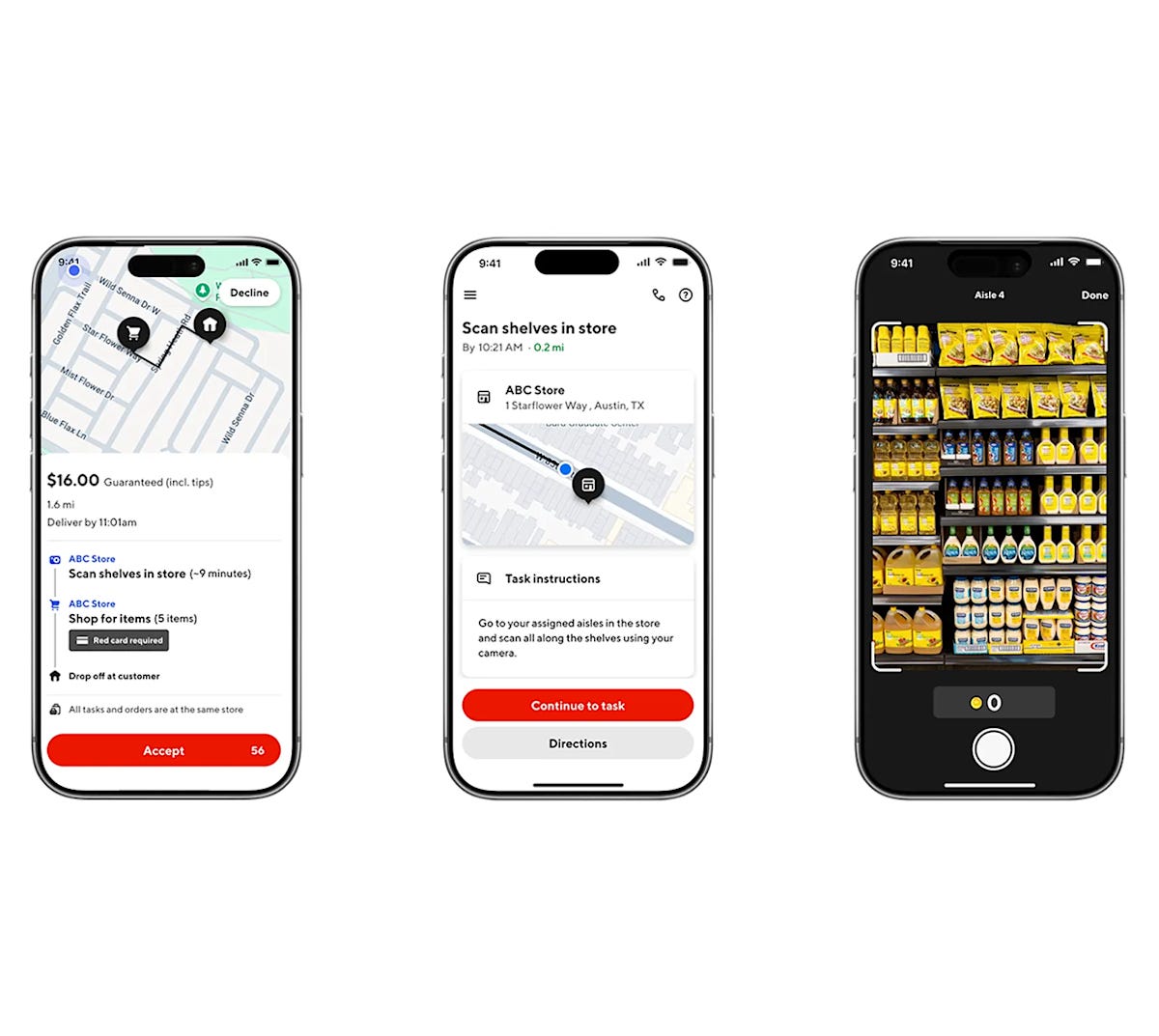
DoorDash is piloting an app where gig workers can earn a few dollars to film themselves doing everyday tasks. They’ve also rolled out DoorDash Tasks, a new way for dashers to earn extra money for completing short tasks, like taking photos of a location or providing other on-the-ground insights.
Reactions on X have varied from “this is dystopian” to “workers are literally training their AI replacements".
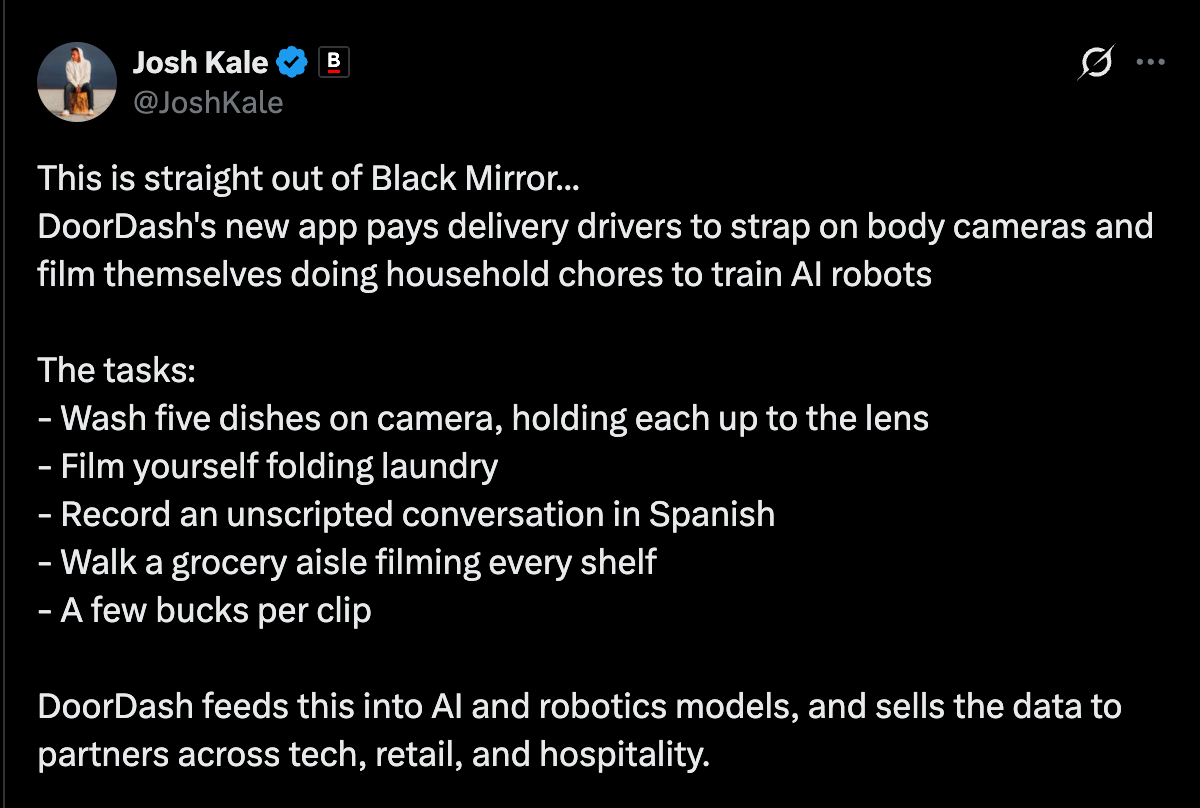
And while all of that may be true, I want to focus on the product builder angle of this story.
Because this shift signals something big & strategic: many products will become a training loop.
DoorDash isn’t just collecting videos for fun.
They’re building a network of messy, high-context data that AI labs will struggle to produce themselves:
How people move through urban environments
How they navigate grocery stores
How they complete unstructured tasks like everyday chores
DoorDash isn’t the only one:
DoorDash isn’t the only company running this playbook, they’re just the most recent example.
We all trained AI with reCAPTCHA
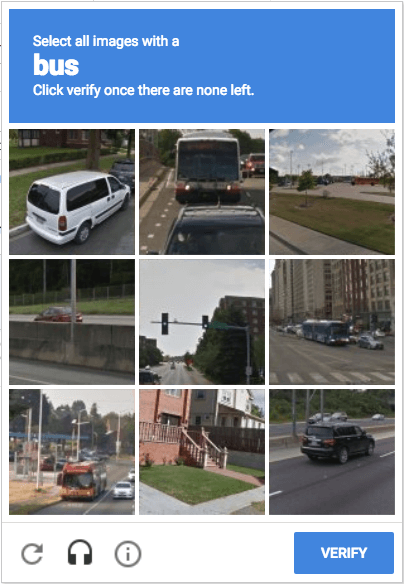
One of the earliest examples of this is the visual puzzles and image identification tasks we’ve all been completing through Google’s reCAPTCHA all these years.
If you didn’t already know, all those inputs to that “I’m not a robot” button you saw while logging in were training AI image recognition abilities for Google’s AI.
For example, since 2012 reCAPTCHA has been selecting snippets from Google’s street view and asking users to recognize street signs, crosswalks, cars, and bridges.
Pokémon GO & Ingress players trained Niantic’s 3D geospatial model
Similarly, Pokémon GO players thought they were using their cameras to capture Pokemon in the physical world.
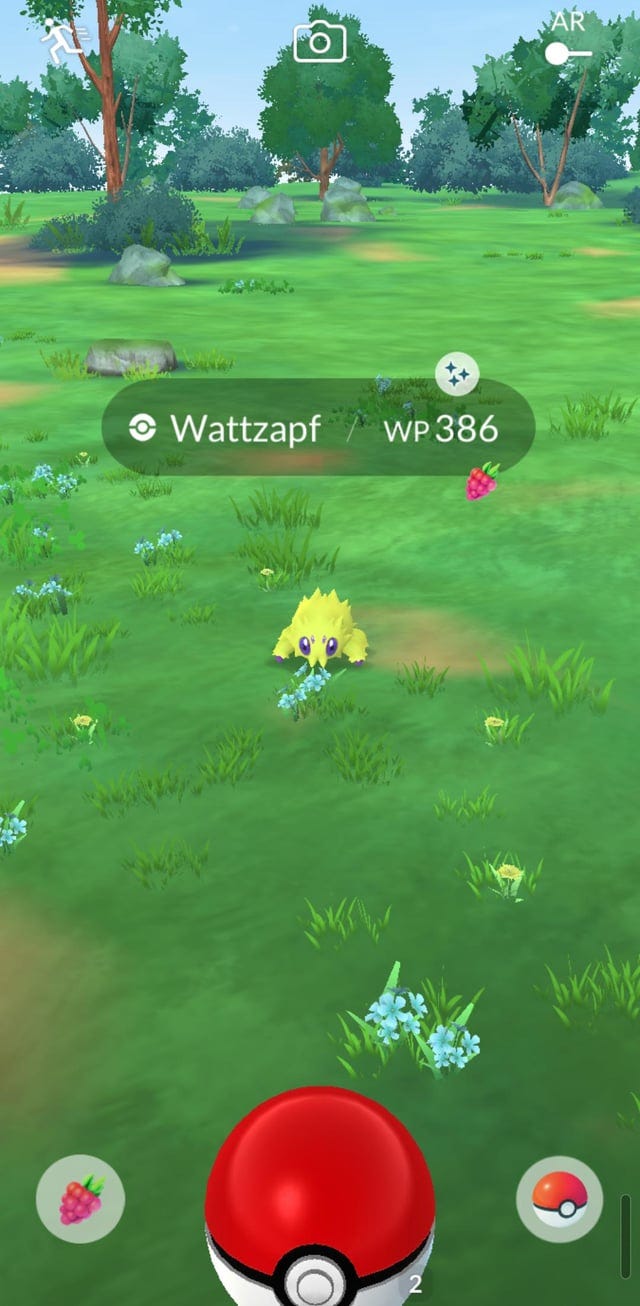
But Niantic, the company behind Pokémon GO, had other plans.
Niantic used all this scanning data to build a Visual Positioning System (VPS) that uses photo data to more precisely map a location that GPS. And because their users scan the world on foot, they have more data that Google’s street view of car inaccessible locations.
And this wasn’t the first time Niantic did this, either. Before Pokémon GO, Niantic’s big claim to fame was the game Ingress, basically a giant capture-the-flag using real-world maps where the blue vs. green team fought against each other to capture more surface area and territory.
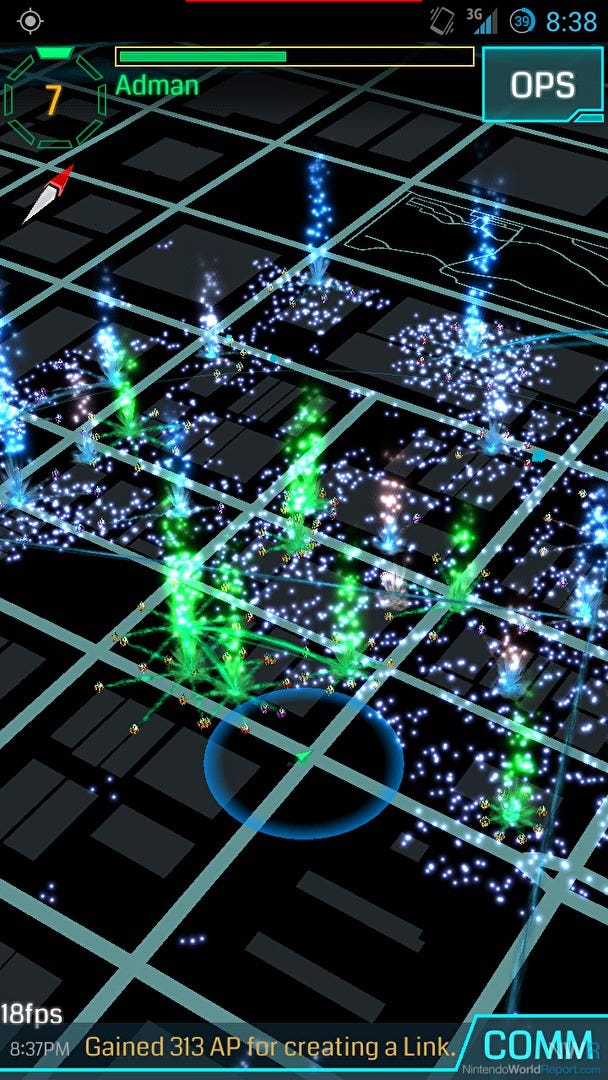
And because the goal was to capture more physical-world territory, Ingress allowed Niantic to gain access to pedestrian-accessible geospatial data. As one player reminisces:
Ingress took you to places you knew you shouldn’t be: the employee courtyard of the courthouse, the rooftop garden of the huge banking building, the yard of the tired old train station. That was half the fun.
Ingress’ data was the foundation to build the incredibly detailed spatial map that powered Pokémon GO, from where Pokéstops should be, to what the in-game Pokémon habitat should look like.
When I think about the amount of strategic foresight this would have taken, I’m blown away. Niantic had the foresight to predict several data waves into the future:
Ingress player data forms the Pokémon GO map → Pokémon GO player data trains the Visual Positioning System→ their VPS model is now more accurate than GPS 🤯
Tesla vehicle owners trained Tesla’s Full Self Driving
And Tesla is perhaps the most obvious example.
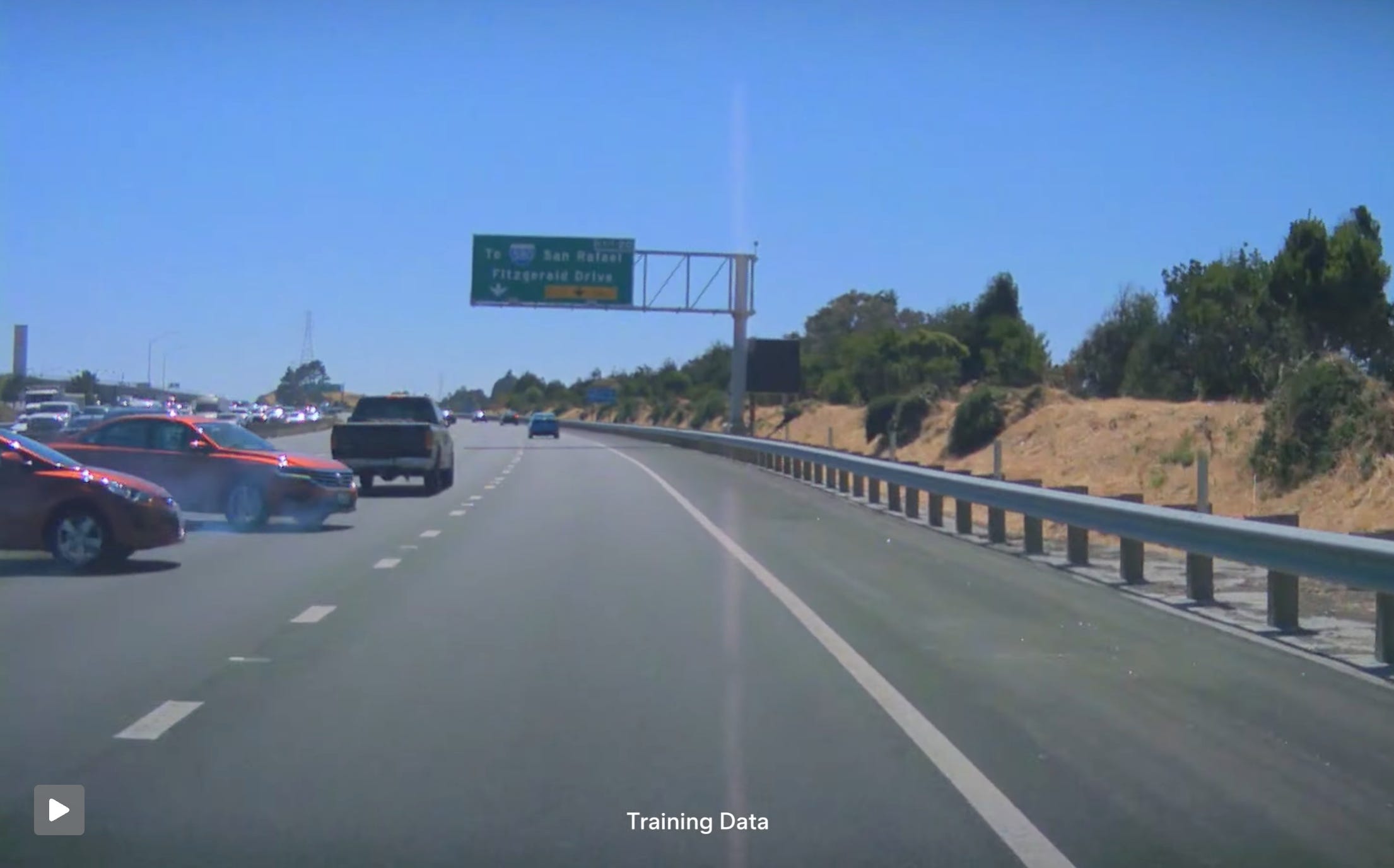
6 million Teslas on the road were used to collect training data to train Tesla’s Full Self Driving.
Every turn, hesitation, lane change, edge case, and near-miss became part of a training loop.
And over time, that creates a compounding advantage that is incredibly difficult to replicate. Compared to other companies like Waymo, Tesla is estimated to have at least 10,000 times more training data than Waymo.
The Subtle Product Design Genius
What makes these examples even more interesting is how invisible they were. The best companies don’t ask users to “train AI”, they design products where training happens naturally, like:
Playing a game
Driving a car
Logging into an account
What This Means for Product Builders
DoorDash paying drivers to film chores is creepy…but that isn’t the big picture.
The big picture is: every product can become a data & training loop.
Every builder should be thinking about:
What behaviour or data does my product capture?
What unique data does that generate over time?
What compounding advantage could this data create?
The companies that understand this and design data captures intentionally
will build moats that are almost impossible to disrupt.