


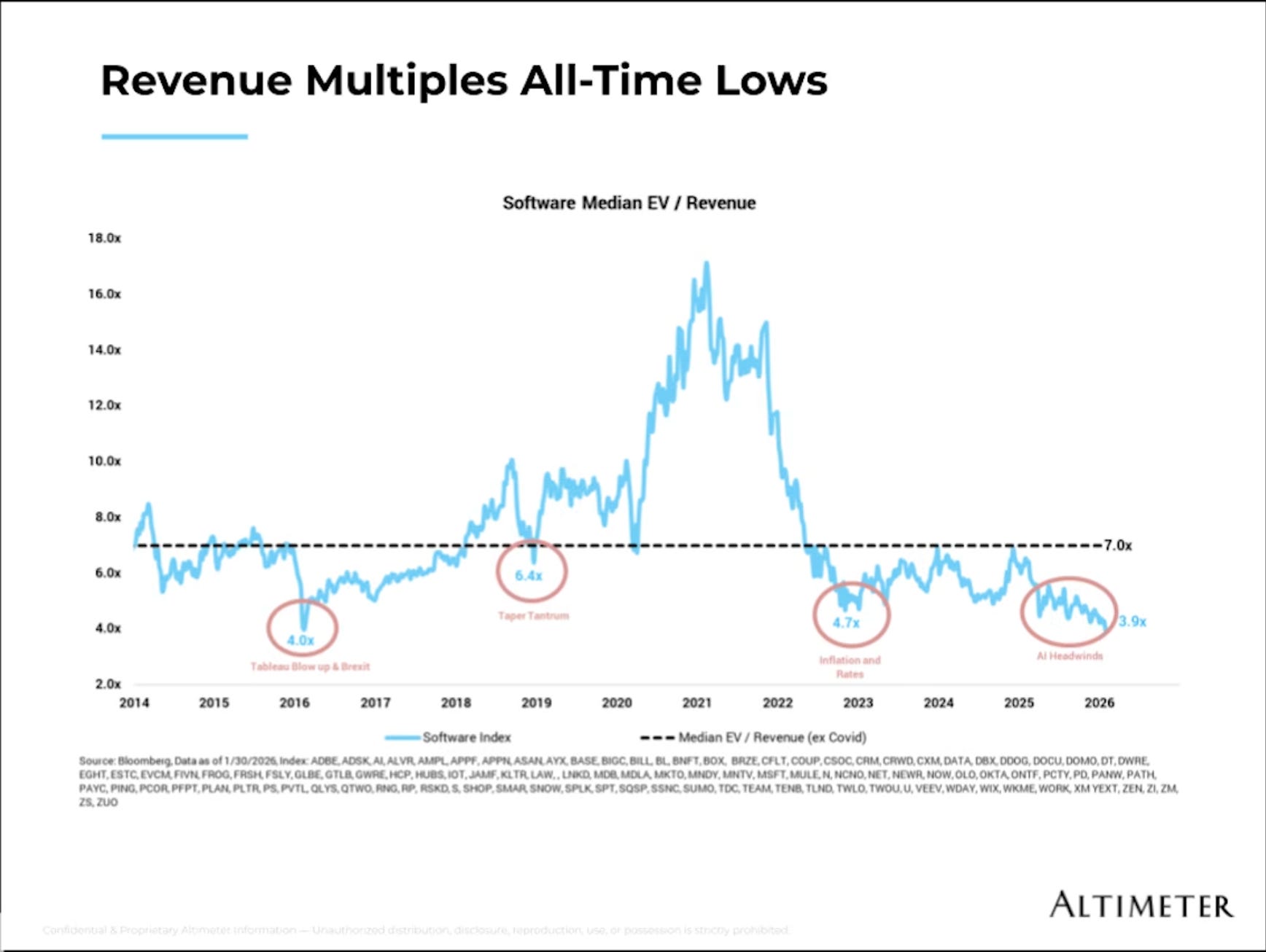
This week, the market sent a shudder through the software sector.
Dubbed the “Claude Crash”, we saw trillions in market cap evaporate as Anthropic released new agentic capabilities, including it’s latest model Opus 4.6 and enhanced capabilities inside Excel and Powerpoint.


For those of us in the trenches of product building, this wasn't just a bad day for the market, it was a signal that the type of products that will be valued in the market are shifting, fast.
Among the hardest hit: last generation’s product heavyweights like Adobe, Salesforce, and Intuit.
As investor Brad Gerstner of Altimeter put it, even though SaaS companies are hitting their revenue numbers, investors are skittish about the durability of their long-term cash flows. And that’s why software stocks are seeing lower valuations.
Everyone is digesting a critical question: if agents can do work autonomously, do we still need software?
Is software dead?
NVIDIA CEO Jensen Huang weighed in to the debate with a grounded take: AI agents still need tools to deliver reliable outcomes. It’s far more efficient for an agent to use existing, battle-tested software than to generate and maintain new code from scratch.

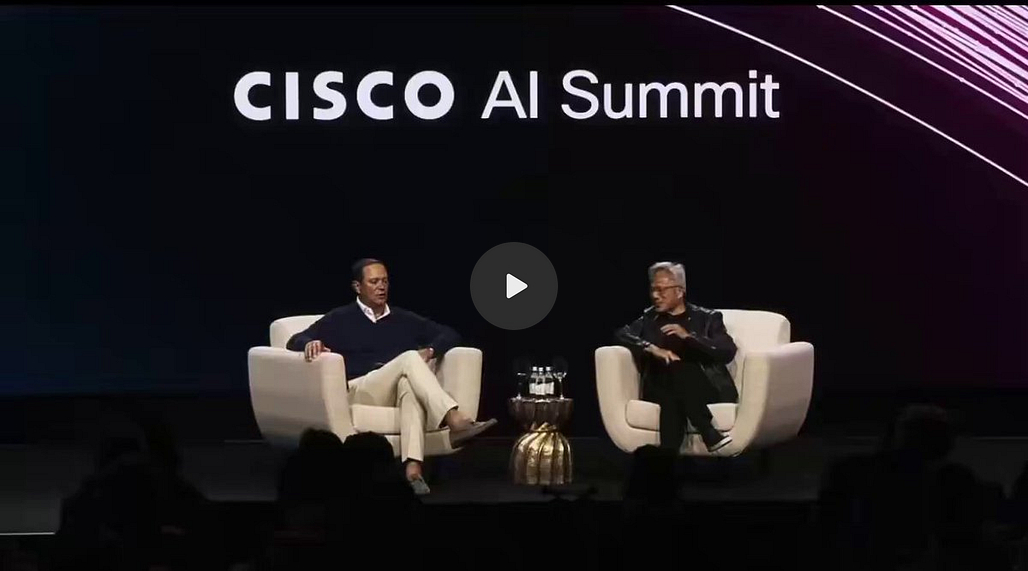
That matters, because enterprises who deploy agents will also optimize for security, reliability, and compliance. Highly regulated industries aren’t about to run their core workflows on brittle, vibe-coded experiments.
Enterprise software isn’t going anywhere.
But, and there’s a big but, we are facing three massive shifts that every product builder needs to understand.
Shift #1: The Agent Layer will be the new “Work Surface”
For years, PMs have optimized for one thing: keeping users inside their app.
Active users. Session length. Feature engagement.
That model is breaking.
Users will increasingly delegate work to agents, and those agents will complete tasks autonomously, without humans jumping between five tabs and twelve different SaaS products.
The work surface is moving up the stack, from SaaS apps to agent orchestration layers.
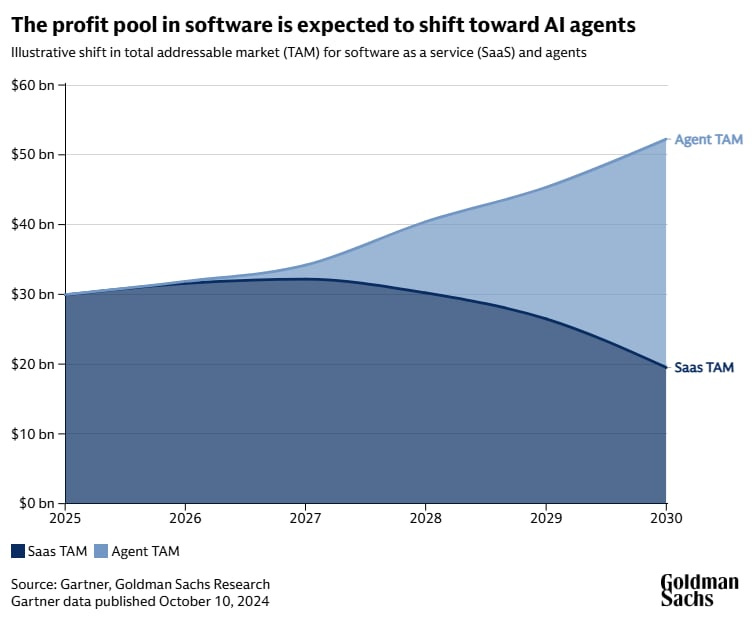
Goldman Sachs has already flagged this shift: SaaS profit pools are expected to shrink, while value accrues to the agent layer instead.
Shift #2: The Bespoke Explosion
AI-assisted, or vibe coding, is lowering the cost of building “good enough” software.
Non-technical “normies” are coming out with stories that they’ve vibe coded SaaS replacements to their software. For example, CNBC reporter Deirdre Bosa vibe coded her own working version of Monday.com in a few hours.


Small companies will be the first to vibe code their way out of paying for expensive SaaS software. Marek Sotak’s team is just one example: they built their own code to replace an $10k/year support ticketing solution.


At the same time, engineering itself is changing.
More teams, like the ones at Eight Sleep, report that engineers aren’t writing code. Instead, they’re managing agents that write code.


These productivity gains will shift into other parts of the tech stack: instead of producing customer-facing code, engineers will have more time for building internal tooling. With less time spent on customer-facing coding, engineers will have time to rip & replace SaaS with custom software solutions.
The takeaway: competition will explode for narrow, high-priced SaaS products.
Shift #3: Open Data vs. Closed Data
Venture capitalist Bill Gurley reframed the debate: the future isn’t open source vs. closed source for most products. It’s open data vs. closed data.


Agents will need access to APIs and tools to achieve goals across multiple tools.
If a SaaS product blocks their APIs to protect their “walled garden”, users will leave for another competitor that allow agents to work freely with their data.
Why? Because users will prefer to work directly with agentic tools like Claude Code, than to work with agents in disparate platforms.
The PM Playbook: How to Navigate these shifts
If you are a Product Manager today, your product roadmap (and your career path!) just changed. Here’s how to respond:
1. For the SaaS Incumbent: Stop Building “Internal” AI
Most PMs at large, incumbent SaaS teams are being told to “add a chatbot” or “infuse AI into the product”.
This is a trap.
With the shifts we’re seeing, you’re better off becoming the most API-friendly, agent-ready tool in your category.
Your move:
Be the tool that the best AI agents want to plug into. If you block the agents out, your users will find another tool that lets them in.
If MCP isn’t on your roadmap for 2026, ask yourself & leadership why.
2. For the Upstart: Be Agent-First, Not Feature-First
If you’re at a small start-up, don’t try to “out-build” your competition with more features.
Your move:
Design for agentic workflows
Treat AI agents as the primary user persona
Optimize for outcomes, not UI clicks
3. For the Job Seeker: Follow the “Agentic” Growth
If you’re thinking about your next role, ask:
Are they building for agent access, or just bolting AI onto old workflows?
Are they open-data and connector-first, or building closed sandboxes?
The next generation of breakout product companies will treat AI agents as first-class users, not secondary features.
Final Thoughts
We are moving from software that helps people do work to agents that complete the work autonomously.
Your new mandate: build products that thrive inside an agentic ecosystem.