


Welcome back to Post MVP 👋.
Last week, I shared 2026 Predictions Part 1, focused on generalists and agency.

This week is Part 2, and the theme is clear:
2026 will be the year of agents.
Trend #3: 2026 will be the year of agents
In 2025, we talked a lot about agents (AI that can autonomously execute tasks on your behalf).
But it was mostly:
demos of flight bookings
copilots
proof-of-concepts
In 2026, agents will really hit.
Deployed agents doing real work inside real companies & taking autonomous actions on behalf of users.
Not just booking flights and scheduling calendar meetings.
PWC puts their 2026 prediction this way:
Agentic AI looks to play an increasingly important role. AI agents can go beyond analysis and automate parts of complex, high-value workflows. Especially ripe areas for agents include…functions like finance, HR, IT, tax, and internal audit.
Orchestration will be the real unlock
You’ll also start seeing Orchestration Agents (and orchestration layers) emerge.
Think of these as:
the “single point of contact”
an agent that coordinates other agents
handles handoffs across a workflow
Humans increasingly interact only with the orchestration layer, not individual agents underneath.
Agents aren’t just for enterprises
Agents won’t just live inside companies, they’ll become part of personal workflows too.
One of the hottest skills in 2026 will be the ability to build custom agents for workflows.
This trend quietly exploded during the 2025–26 holiday season as more builders experimented with Claude Code’s Opus 4.5 model.
For example, Boris Cherny the creator of Claude Code, shares his agentic workflow and a number of sub-agents he uses regularly to verify code.

Others, like product coach Teresa Torres are using Claude Code to create agents for their "life OS”. Founder Alex Finn uses Claude Code to build his “AI life” and automating tasks like writing blog posts or consolidating brain dumps.
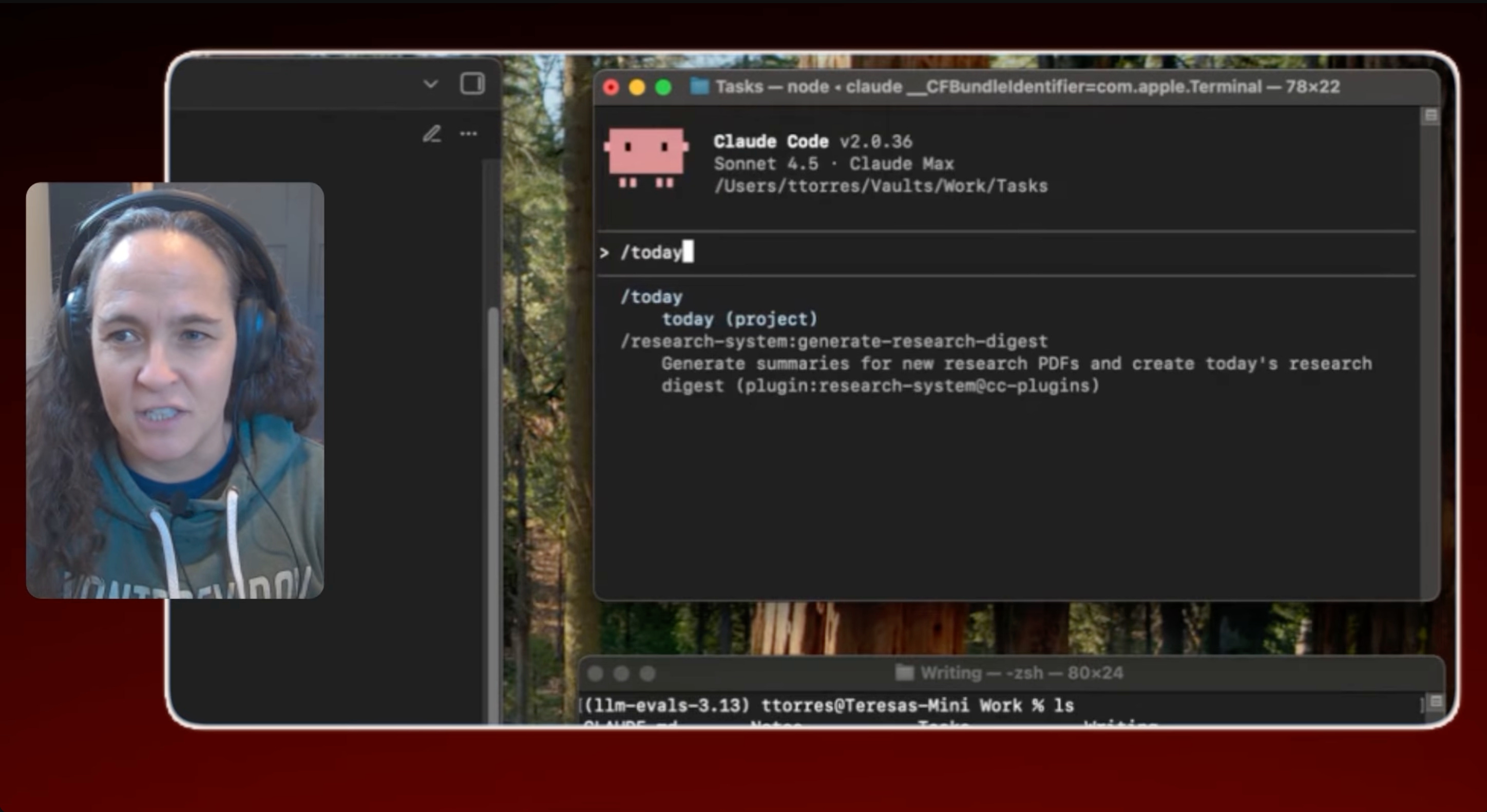
The friction (for now)
Claude Code’s biggest drawback today:
everything runs through the terminal
extremely intimidating for non-technical users
Once a clean UI layer is built, adoption will accelerate fast.
➡️ What this means for Product Builders:
Workflow design & automation becomes a core skill
PMs evolve into system designers & agent builders
Fastest way to learn:
build simple agents in tools like Zapier or Relay
then level up by working directly in Claude Code
Trend #4: Product focus shifts from UX to AX (Agent Experience)
If 2026 is the year of agents, it follows that Agent Experience (AX) will start to matter as much, or more, than traditional UX.
Why? Because agents will increasingly:
access products via MCP
read documentation
compare products
influence (or make) purchasing decisions
take actions on behalf of users
Tomasz Tunguz from Theory Ventures explained this trend in the following way:
“Most developer documentation & many websites become agent-first rather than people-first. This shift occurs because many purchasing decisions are now informed first through agentic research. Consequently, the front door needs to be designed for robots, while the side door caters to people.” -Tomasz Tunguz
Agentic commerce is coming
This goes further than discovery.
The future is agentic commerce: agents buying things for you.
That means:
products must be machine-readable
sites must work with agentic commerce protocols
pricing, positioning, and docs must be LLM-friendly
SEO becomes AEO
Similarly, Greg Isenberg predicts that 2026 will be all about LLM optimization instead of SEO optimization.
“SEO dies and “LLM optimization” becomes the new marketing arms race.” -Greg Isenberg
The bottom line is: if an agent can’t access or understand your product, it won’t recommend it.
➡️ What this means for Product Builders:
Your product will need human and agent-friendly experiences
MCP access becomes table-stakes
Docs, pricing, and positioning must be LLM-optimized
Product marketing shifts from ranking in search to ranking in LLM answers
Trend #5: Micro-apps challenge product teams
Another consequence of Agent Experience: micro-apps living inside LLM interfaces.
Examples are already emerging, like this embedded Etsy checkout powered by Stripe.
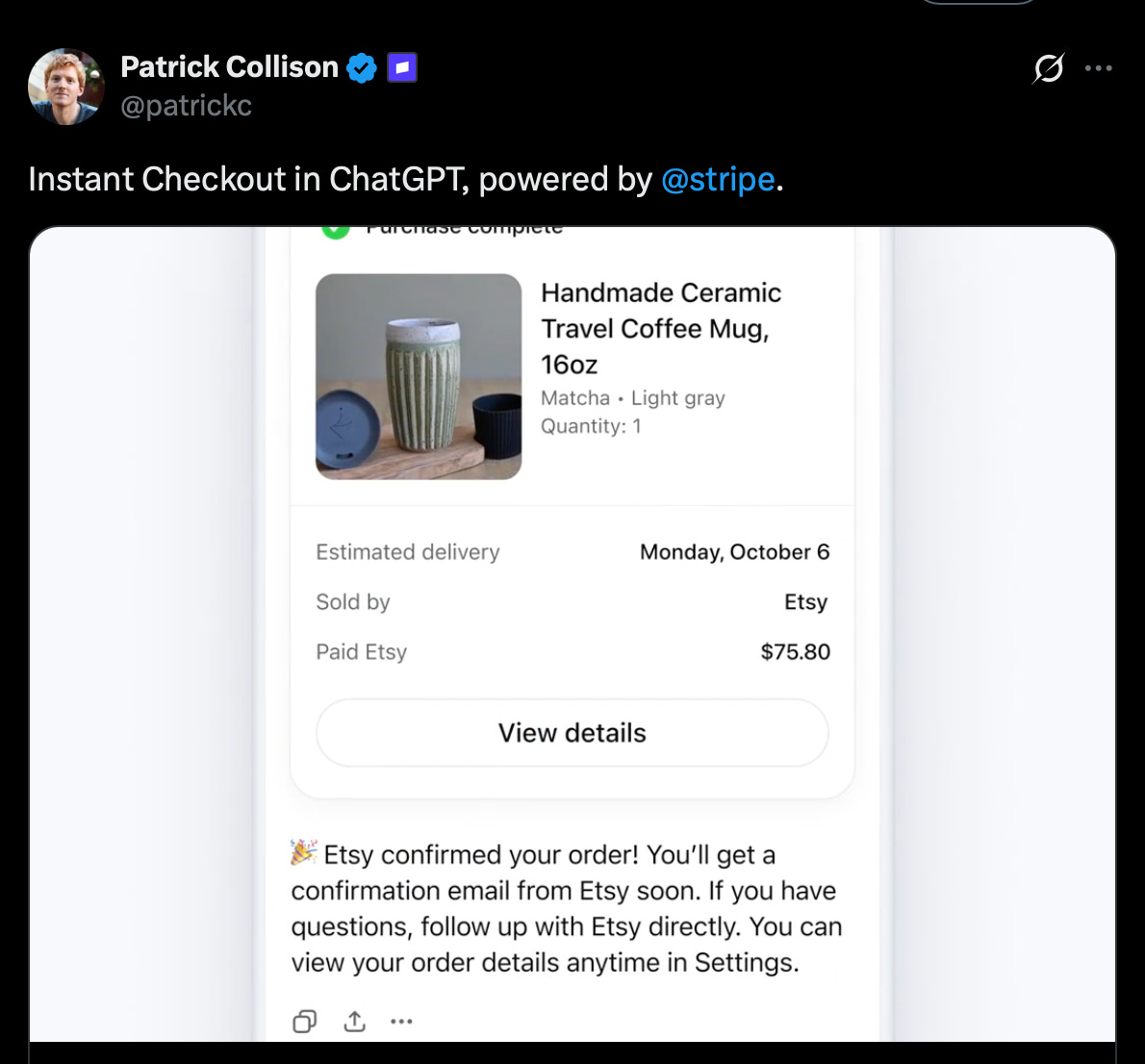
Product teams will have increasingly less control over the entire surface area of the product. Instead, they’ll design:
modular capabilities
flexible interfaces
products that act as “backends” for LLM-generated UX
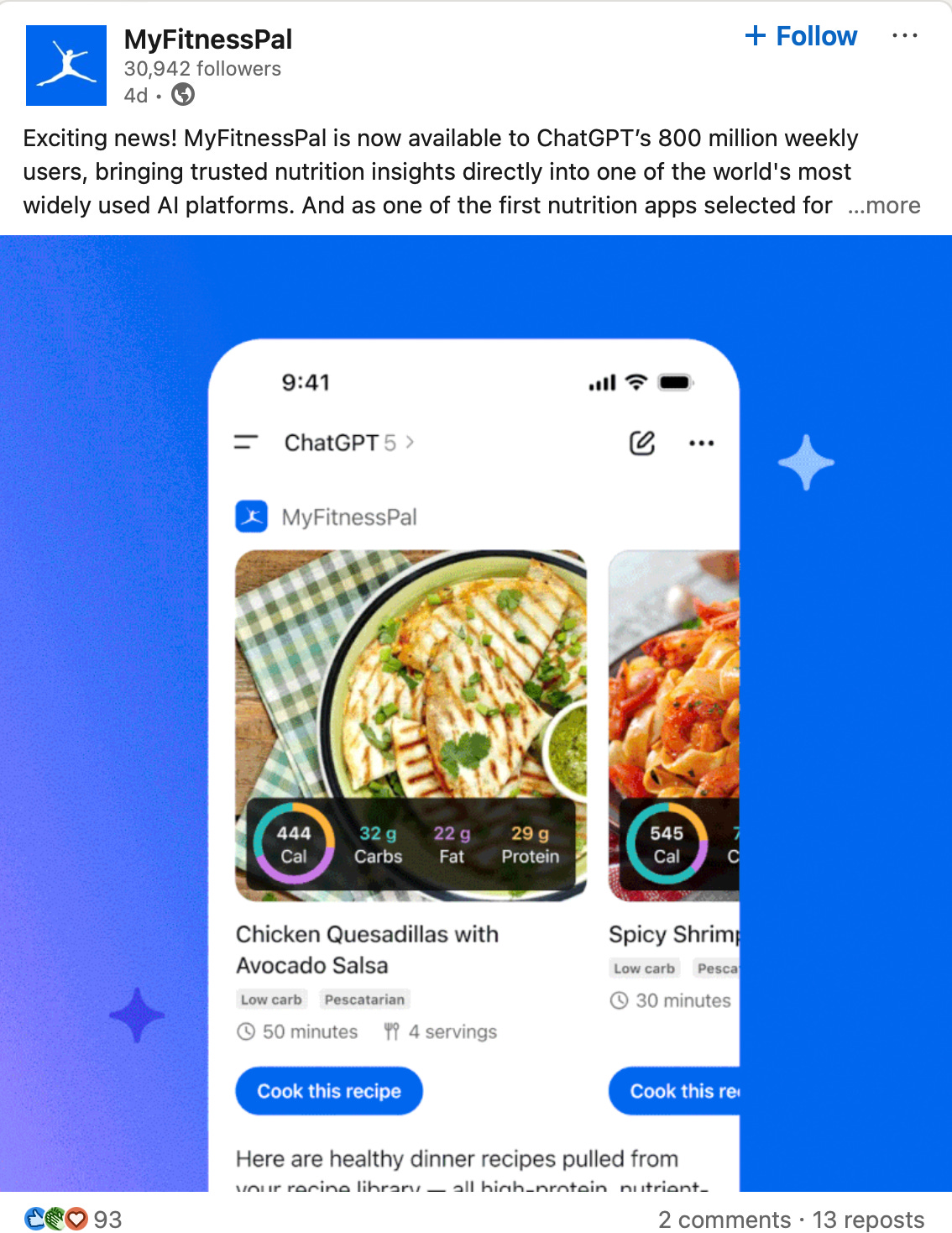
For example, MyFitnessPal recently integrated its app into ChatGPT, signalling that product companies will be forced to integrate their experiences into LLM apps or risk losing traffic & users entirely.
Similarly, Google Lab’s is queuing up GenTabs: a tool which turns any browser tab into a custom-designed app. The product is on waitlist, which you can join here now.
The long-term implication of GenTabs is huge: users generating their own UX, their preferred workflows, and their micro-apps on the fly.
This ambiguity will be uncomfortable for product teams, but a relentless focus on core customer problems becomes the north star.
What this means for Product Builders:
If your product doesn’t work inside LLMs, you risk losing users
You must design for your product as a backend capability, not just a standalone app
⚡5 more bite-sized predictions for 2026:
6️⃣ Long-form AI video breaks through
You’ll start to see 10-30 minute long AI-generated videos instead of short interval-like clips, with consistent characters and high-fidelity audio throughout. Trust erodes, and “verification UX” (features that identify whether something is AI-generated) will be critical.
7️⃣ New grads still struggle, but new opps emerge
New grads will continue to struggle entering the job market, but new job opportunities like LLM search optimization, quantum security, and AI implementation specialists will emerge for the scrappy early-career builders.
8️⃣ Ads will flood LLMs
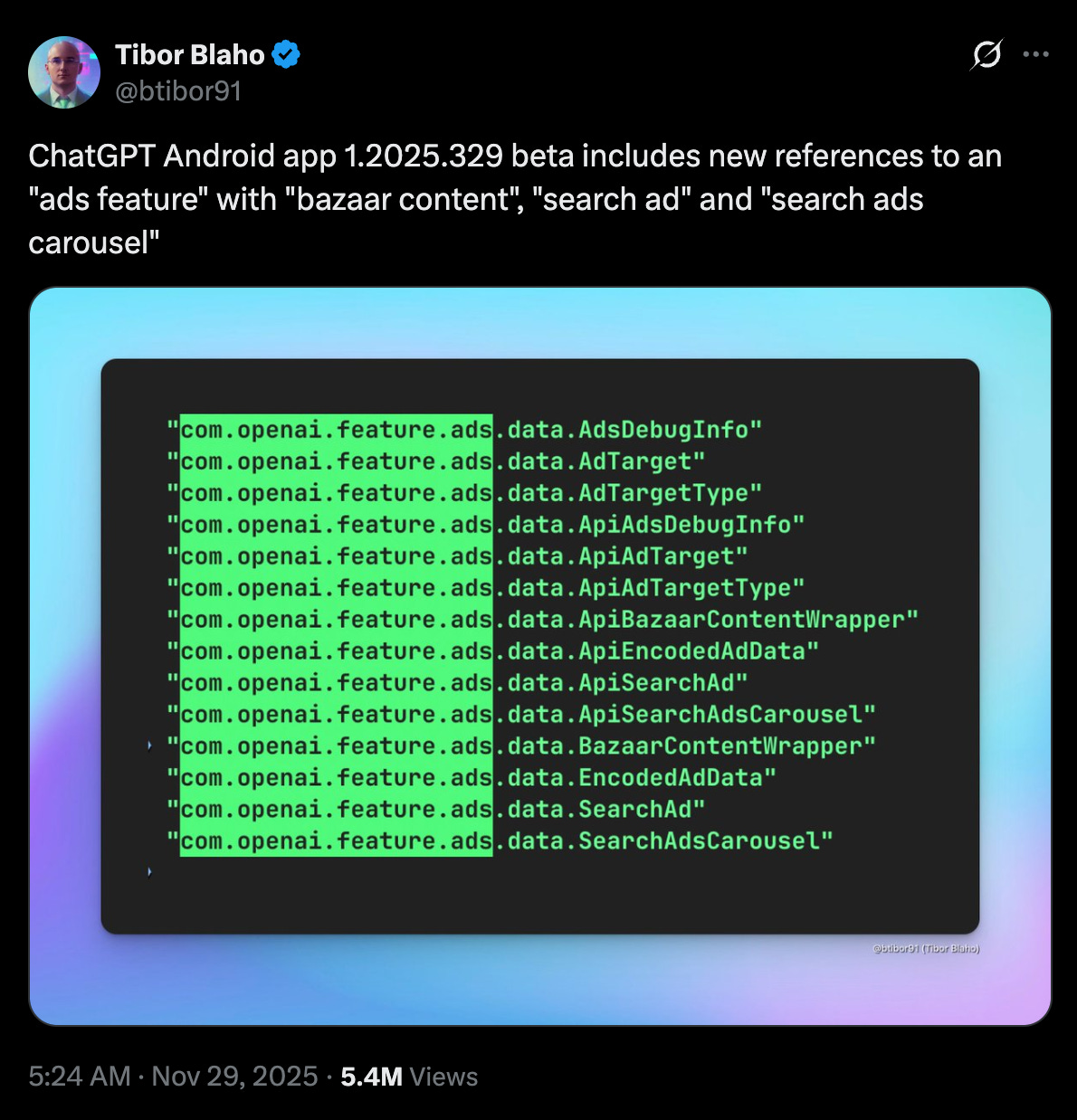
Profitability targets will force ChatGPT, Gemini, and others to add ads to LLM responses. The ads will be disguised as “suggested next steps”, “suggested tools”, or “product recommendations”. A leak on the ChatGPT Android app suggests that the ads feature is already underway.
9️⃣ Personalized education & EdTech explodes via AI tutors
We’ll see continued growth in 1:1 adaptive curricula and mastery-based progression. You’ll see short, focused learning loops where students sprint-to-learn in short chunks of time instead of hours.
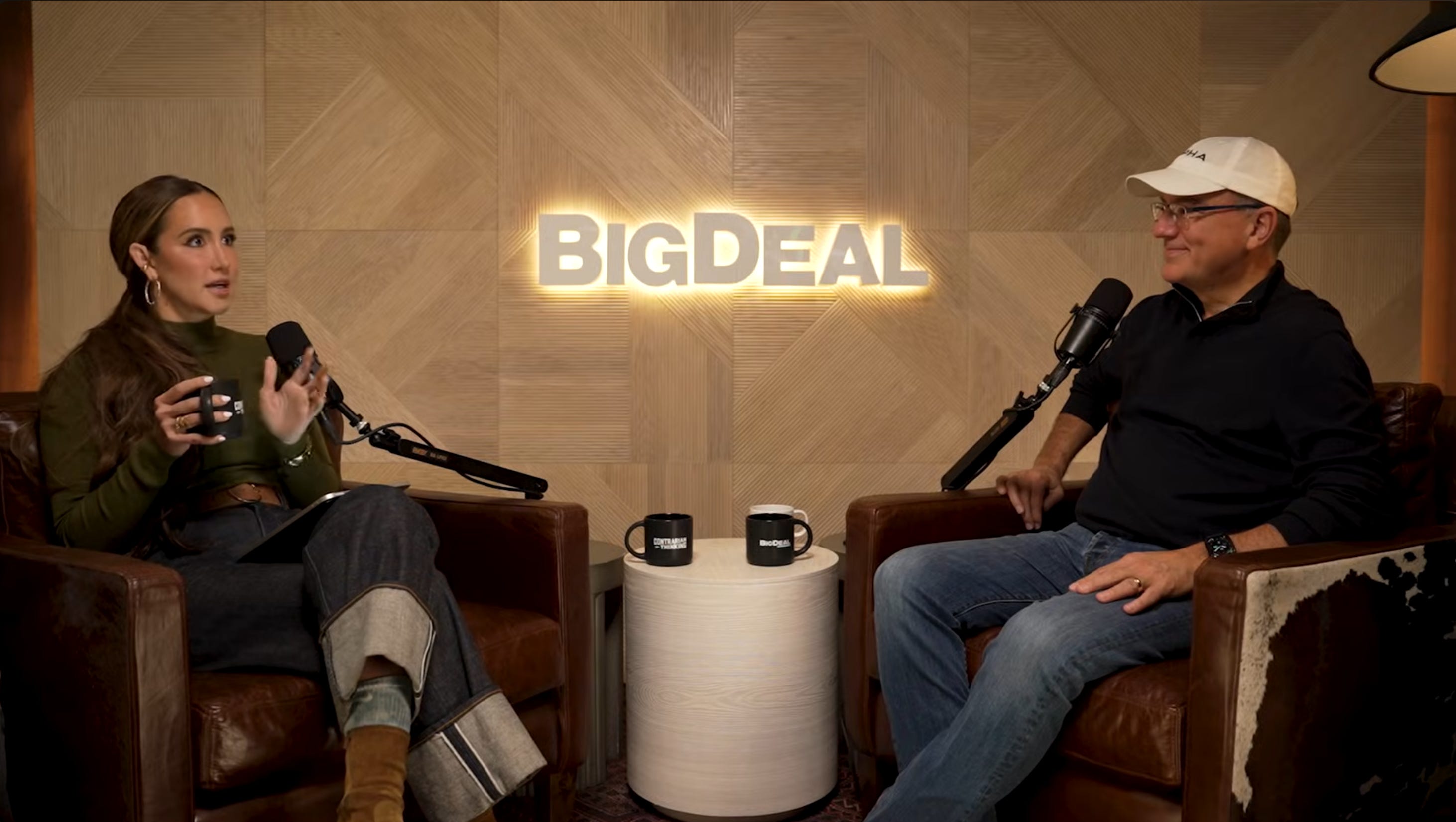
👉 If you’re curious how AI for education might work at scale, check out Codie Sanchez’s interview with Joe Liemandt about Alpha School.
🔟 Liquidity returns via massive IPOs
And lastly, there’ll be a huge number of IPOs this year. Saxo Bank predicts the following mega-IPOs to watch out for in 2026: Stripe, Anthropic, OpenAI, Databricks, Canva, Revolut, and Kraken.
Retail investors finally get some action 🤑
The skills I’m doubling down on in 2026:
The real advantage for Product Builders in 2026 will be adaptability, comfort with uncertainty, and agency to self-teach.
With that in mind, I’m doubling down on 3 skills in 2026:
Vibe coding, but with more advanced tools like Cursor and Claude Code
Building AI agents and automations
Launching and deploying apps (not just vibe coding for fun or for prototyping, but actually deploying working apps in production)
💬 What are you doubling-down on in 2026?
The most interesting pattern across all these trends is that UX, growth, and even distribution are becoming downstream of agent access.
If agents are the first ones to read your docs, compare your product, and initiate transactions, then “product-market fit” quietly becomes agent-market fit.
That changes everything from how teams write docs to how they price, position, and expose their APIs.