


Last week, we talked about vibe coding, vibe founding, and building agents.

Here’s the bigger shift underneath all of it:
2026 will be the year of self-built software. Anyone, and everyone, will become a builder this year.
This week, I’m drilling into the PM skills that matter when building is cheap, but standing out is hard.
4️⃣ Automation
This week on X, everyone’s been buzzing about Clawdbot.
In simple terms: Clawdbot lets you connect LLMs & coding agents (like Claude Code or Codex) + APIs, to chat interfaces like WhatsApp, iMessage, and Discord. Once set up, Clawdbot can perform actions on your behalf.
This unlocks powerful automation use cases because:
a) you can run tasks truly “on the go” from iMessage
b) Clawdbot can do virtually anything you can do on the computer (interact with sites, files, APIs)
c) Clawdbot pings you, instead of you checking the chat
That flips automation from reactive to proactive.

Some non-obvious use cases I’ve seen already (besides cleaning up your files or inbox, which we’ve seen before)
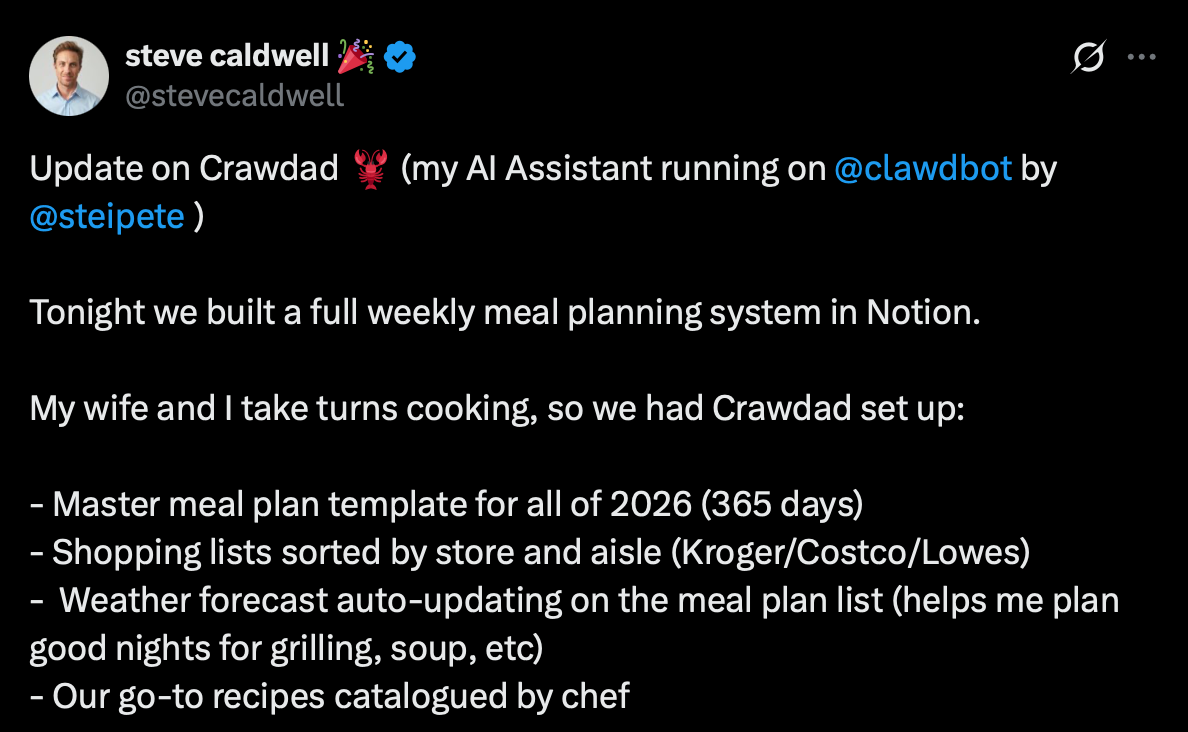
Steve Caldwell uses it to meal plan his weekly meals & shopping lists
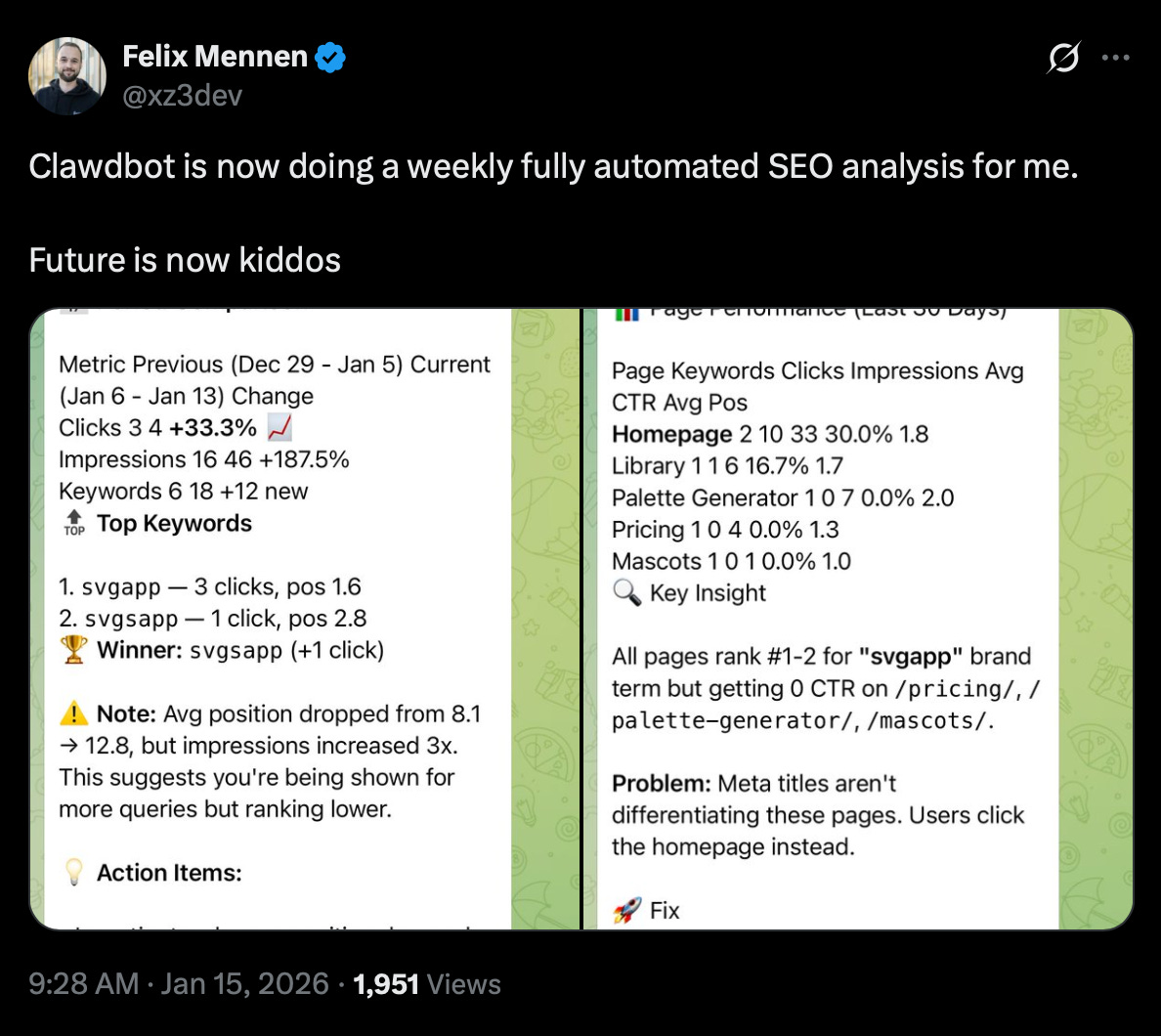
Felix Mennen runs automated SEO analysis for his business
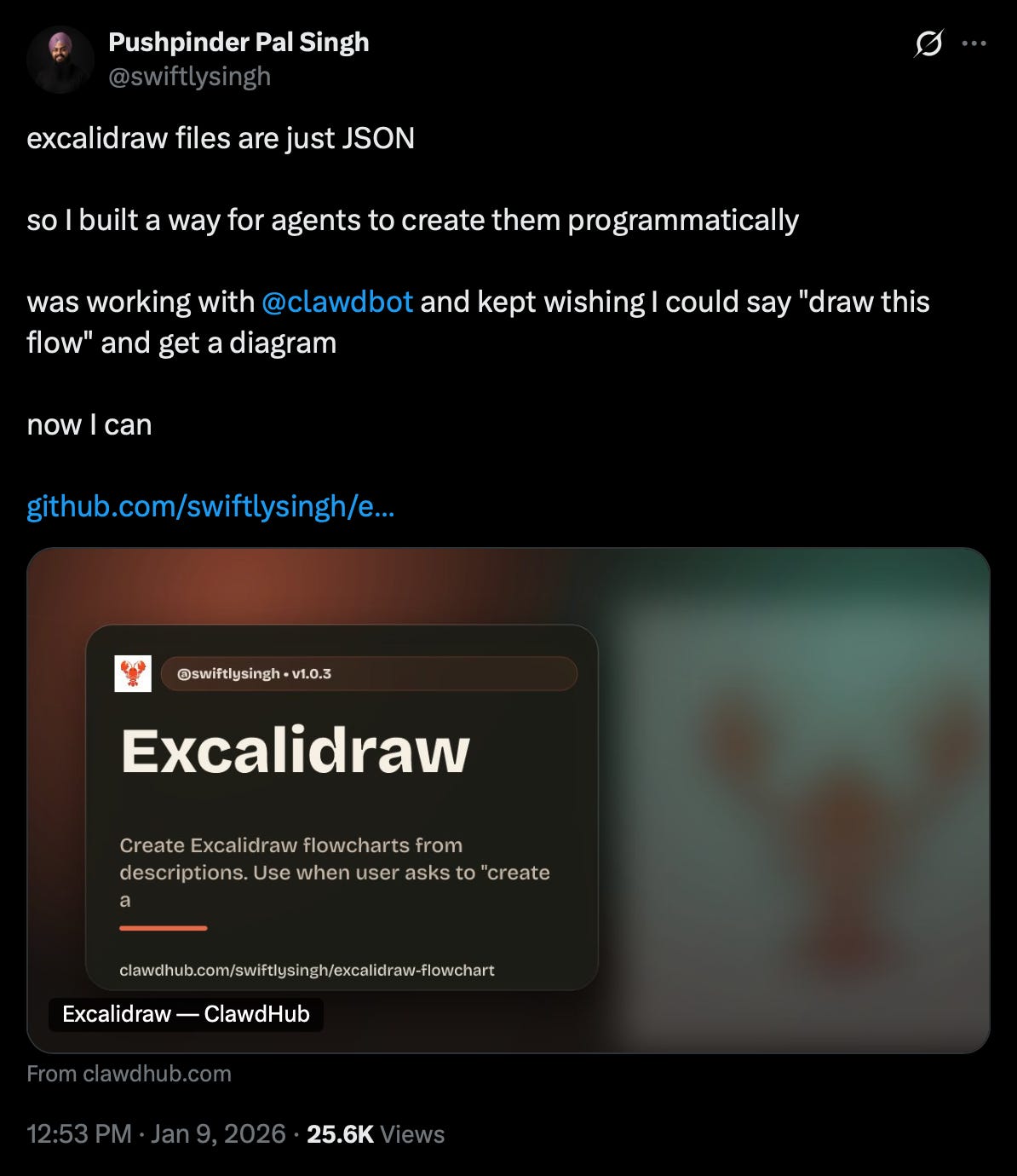
Pushpinder Pal Singh generates Excalidraw diagrams for system design and feature sketches
Clawdbot is just one example. And yes, other automation tools like Zapier, n8n, Make, and Relay.app exist.
The real point is this:
We’re entering a world where more workflows will be handled by agents & automations.
But useful automation takes effort.
It feels slow at first, like training a new teammate when it’d be faster to “just do it yourself”. Until one day, your teammate “gets it” and you feel the leverage.
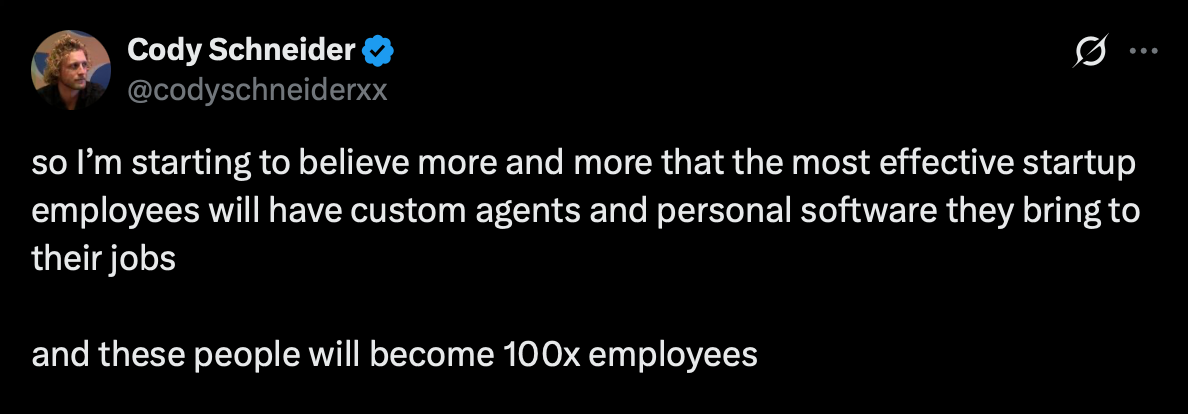
PMs who invest in automation don’t become slightly better. They’ll become 100× PMs.
How to apply this skill:
Pick one small workflow and automate it end-to-end.
Automate company research (press, pricing, socials)
Set up customer listening across Reddit, X, forums
Automate customer call scheduling
Build internal FAQ agents instead of repeating yourself
If you’re interested in some beginner-friendly automations, check this post out:
3 Automations I actually use as a Product Manager

As a PM, you probably keep hearing about automations and setting up AI agents to do repetitive tasks for you.
5️⃣ Distribution
As the amount of software explodes, distribution becomes infinitely harder.
The challenging part of software isn’t building the thing, it’s getting people to use it.
Vibe coders everywhere are quietly waking up to this reality.
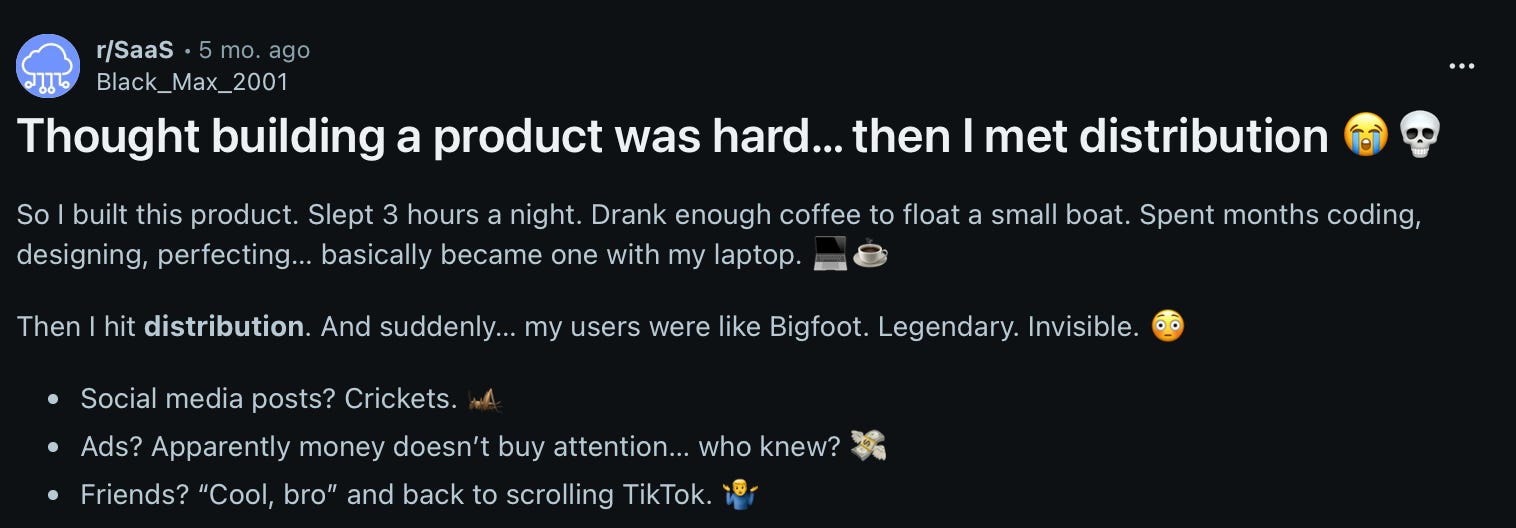
Because of the increased competition from indie software, even well-established firms will need to double-down on growth, product marketing, and distribution.
In 2026, PMs won’t just think about features. They’ll think about:
Where their users live & speaking to them (think feeds, forums, search, and communities)
How agents influence product discovery (think AEO and LLM optimization)
Great PMs won’t just ask “what should we build?” in 2026. They’ll ask “how does this spread?”
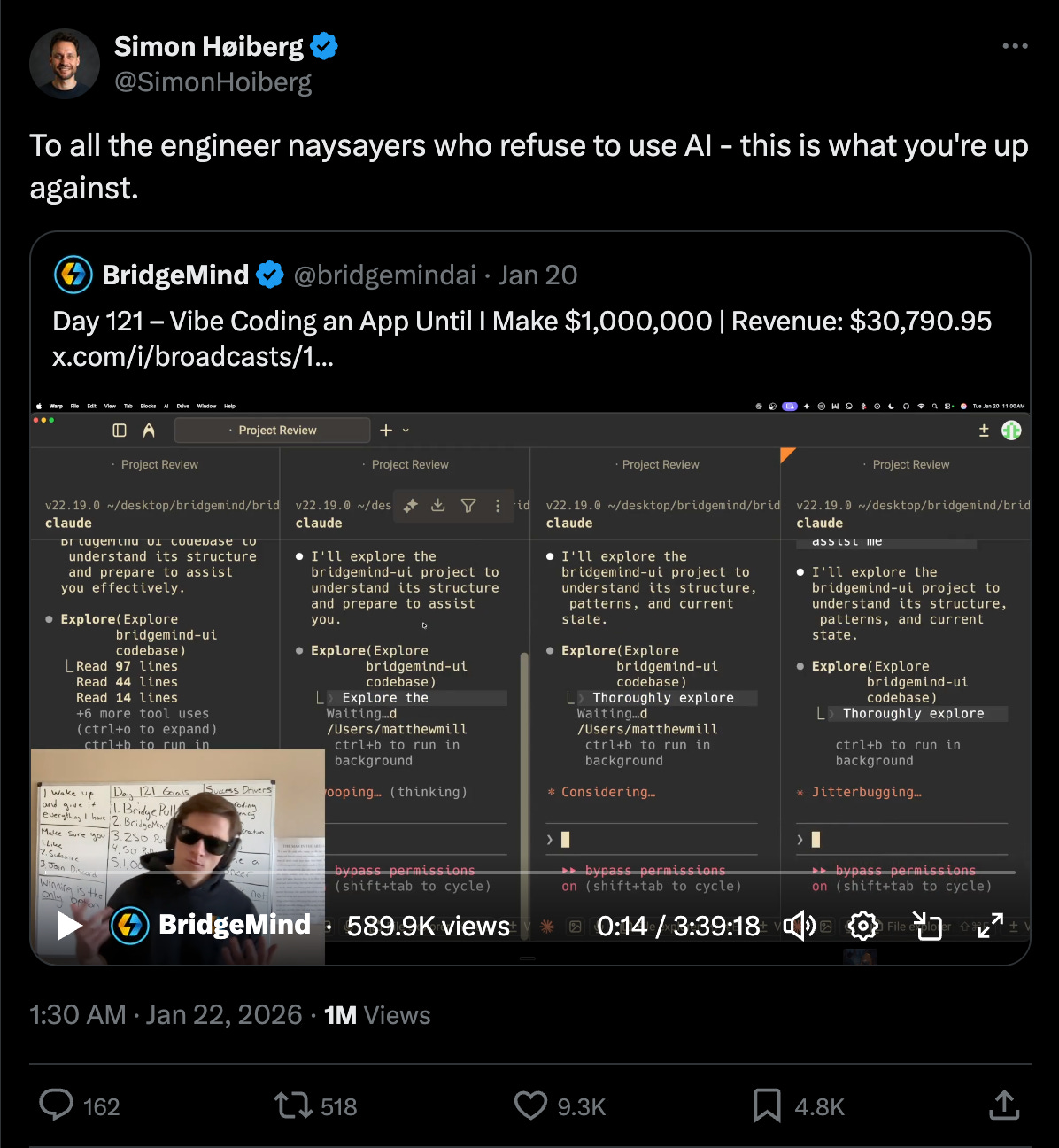
For one-person teams, an example of standing out is Matthew Miller from BridgeMind, who has gone viral on X because of his build-in-public livestream videos posted daily.
How to apply this skill:
If you’re in a big company, sit with Product Marketing and Sales to understand how adoption actually happens
If you’re building your own product, your main options are:
Build in public and post about your journey on social media
See this post for great examples of how product builders are doing this:
Talk to users, test with them, and form a community
As one Reddit user writes: “Channels ≠ growth. Most early traction comes from hand-to-hand combat: DMs, niche Slack/Discord groups, industry forums.”
Use a combination of ads, influencers, and user-generated content

6️⃣ Idea Validation
Hand-in-hand with distribution is idea validation: actually knowing what to build.
The old way was producing a deck, PRD, and aligning stakeholders.
The 2026 way will be shipping a landing page, a waitlist, or a prototype to test in days.
As software becomes faster to build, the real PM value shifts to:
finding real pain
solving the right problem
validating willingness to pay
How to apply this skill:
Talk to users. DM them. This still beats everything else.
If your company has a user research budget, use tools like User Interviews or User Testing to test prototypes. (Side note: if you’ve never run a research study before, a great way to learn is to sign up for a study.)
Go deep into user psychology. (Greg Isenberg’s “Unbundling Reddit” is a masterclass).
Find “high-pain” niches where competitors are already making money. No competitors usually means no market. (See Ernesto Software’s process here).
7️⃣ Speed Learning
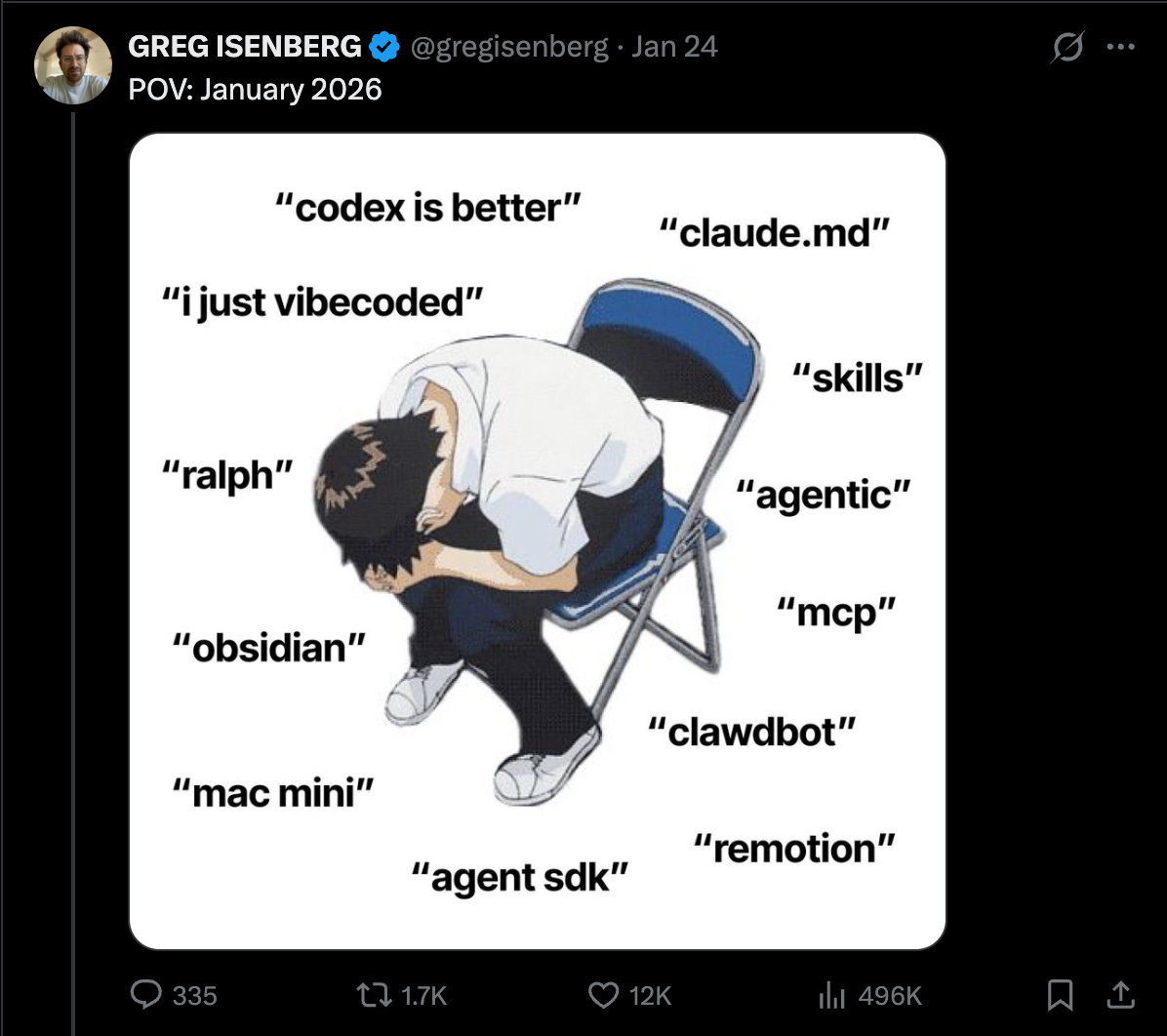
If the start of 2026 has shown us anything, it’s this: tools are changing faster than ever.
It can feel overwhelming because of the hype cycles on X with any given tool. But the best PMs will pick a few key things to learn, maintain focus, and go deep.
How to apply this skill:
Inquiry-based learning: use LLMs in study mode to learn a new concept. It’s amazing how much more information you’ll retain than from reading a simple article or AI summary.
Project-based learning: the best way to learn a new skill is to pick a project that’s meaningful to you and dive in deep.
Community-based learning: join a community or meetup to learn something new. Join builders, not observers.
Passive learning: watch as many podcasts, YouTube videos, and audiobooks you can on a topic while walking, cooking, or doing chores.
The Meta Skill
All these skills point to one thing:
PMs are becoming builders of leverage, not managers of process.
If you’re automating, prototyping, distributing, learning fast, and validating early, then you’re set up to thrive in 2026. 💪
💬 Which skill are you focusing on this year?